Movies featuring accountants/accounting
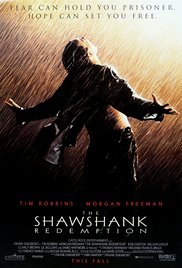
Image from IMDB
A few weeks ago, the annual Academy Awards took place. At some point in the run up to the awards, I found a nice post by Cheryl Meyer in the Journal of Accountancy. The post “5 films to inspire CPAs” was not only a reminder of some great movies, but also a reminder of the varying and broad role accounting and accountants play in society.
On favourite on the list is The Shawshank Redemption. If you have never seen it, do. The lead character Andy Dufresne (Tim Robbins) makes life a little more comfortable for himself while serving time through doing tax returns for prison officers and keeping accounts of the Warden’s corrupt dealings. The good accounting allows Andy to take all the corrupt cash for himself on his escape from prison.
My second favourite is The Untouchables. The model used to imprison Al Capone in this movie is still widely used today – get the criminals on tax laws or “lack” of earning to match their lifestyle. For example, the Irish Criminal Assets Bureau uses this concept quite effectively. I’m a big Sean Connery fan too!
What is wrong with this headline “Tesco delayed payments to suppliers and boosted profits”

Image from journal.ie
So what is wrong with above statement? Simply, it is the application of the accruals concept in accounting. Under this concept, revenues and expenses are matched, and when cash is received/paid is not relevant – at least in the calculation of profit.
Here is a simple example. Let’s assume a business sells goods for $1,000 cash but has not paid the supplier. The goods cost $600. The profit on this is $400. If the supplier is never paid, or is paid in 10 days, the profit will not change.
While the article is incorrect in terms of the title, it’s message is solid – that you can benefit by not paying people. In the simple example above, the business has $1000 in the bank.


 Martin's accounting blog