Charities as businesses?

 In recent weeks, the Irish media has revealed yet another charity mis-using funds – this time the founders used a lot of the charity monies for personal purposes.
Regulation of charities in Ireland is not as good as it could be – we have some legislation waiting to be enacted since 2009 as far as I know. But laws cannot prevent what happens within an organisation from happening; they can only penalise after the event.
So what bugs me? Well, the title of this post really – it is something I picked up from the print media in recent weeks. I am sure I have said somewhere on this blog that accounting is the language of business, so what about accounting for charities? My own opinion is that charities must have proper accounting, and there are accounting standards already in place for charities. But I often wonder should we be careful and not allow charities to become too much like a business? For example, we should be using accounting in charities to drive efficiencies, not necessarily monitor revenue and costs like in a business. Nor should we be using accounting just to get funding for a charity. In short, what I am trying to say is that we need to be careful and try to not let accounting (and other commercial sector notions) detract from what a charity should be.
Teaching accountants
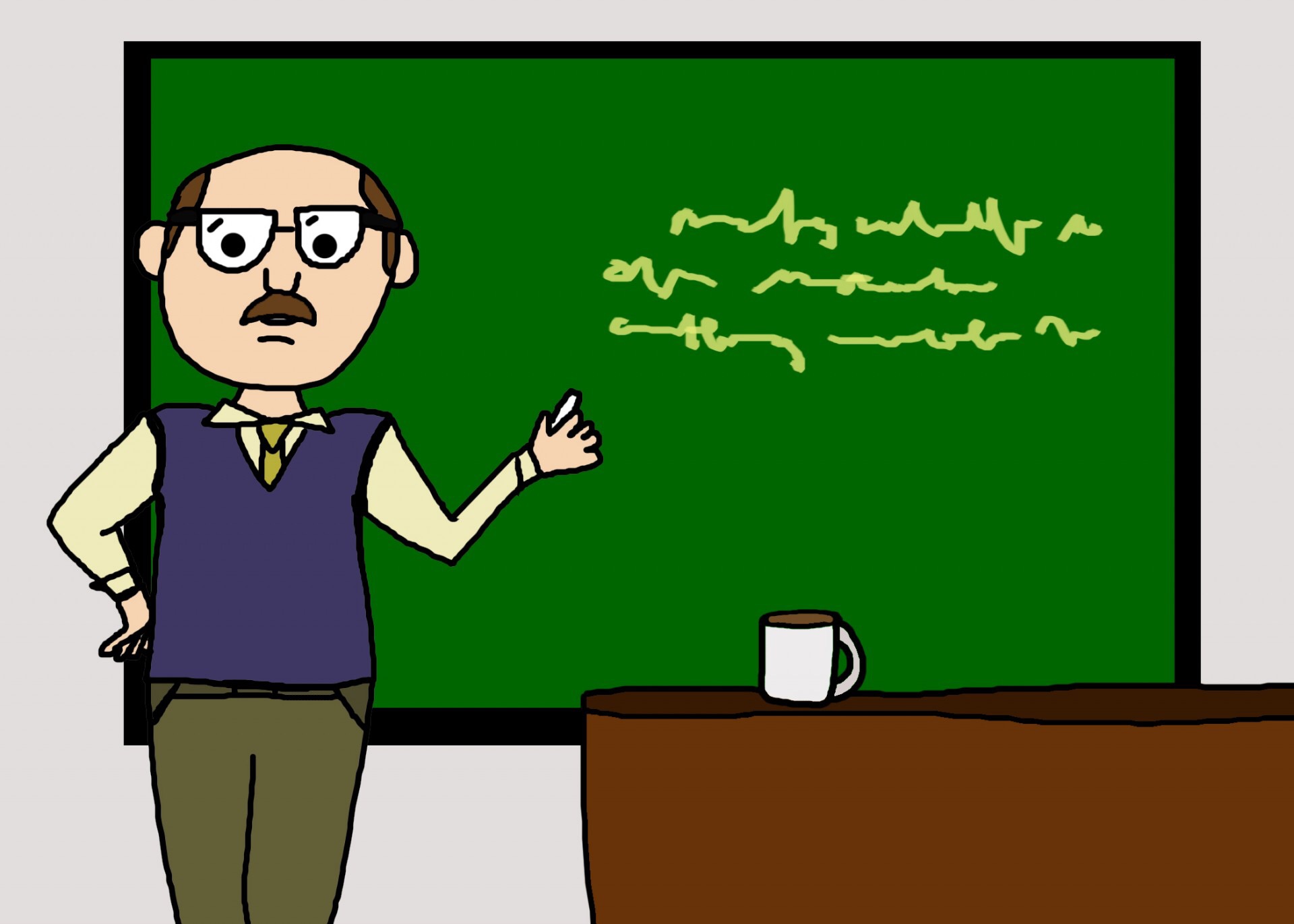
On a recent research project I read an article from 1914 which was written by an “old” accountant of the time. On testing accounting students knowledge through examinations (s)he notes “we see interesting problems set out in symmetry and order”. This made me think about what has changed today.
Indeed we still use examinations in university and in professional bodies. They are a good tool to test knowledge, and increasingly examinations draw on methods such as case scenarios which are less structured in an effort to imitate real life scenarios. However, no matter what we do as teachers, we cannot replicate the real world. This is of course where professional development and on the job training come in. I do hope we at least provide the basic knowledge to help students hit the ground running when they start their careers. We can only improve the value of this basic knowledge by trying to get students to use their knowledge in an unstructured way. In an examination scenario, this means we need to use fresh ideas and new ways to ask standard material – this can be tricky sometimes, but it helps both students and us teachers to apply ourselves in a more real world fashion.


 Martin's accounting blog